
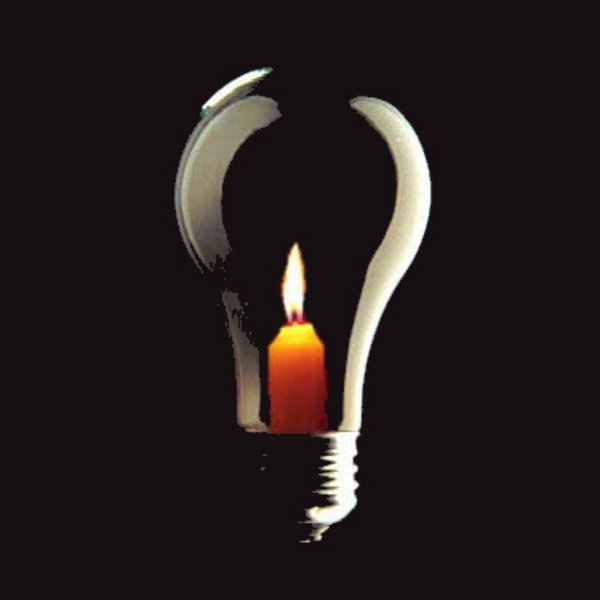
According to a study of more than a million people, creativity is often part of a mental illness, with writers particularly susceptible.
Writers had a higher risk of anxiety and bipolar disorders, schizophrenia, unipolar depression, and substance abuse, the Swedish researchers at the Karolinska Institute found.
They were almost twice as likely as the general population to kill themselves.
The dancers and photographers were also more likely to have bipolar disorder.
As a group, those in the creative professions were no more likely to suffer from psychiatric disorders than other people.
But they were more likely to have a close relative with a disorder, including anorexia and, to some extent, autism, the Journal of Psychiatric Research reports.
Lead researcher Dr. Simon Kyaga said the findings suggested disorders should be viewed in a new light and that certain traits might be beneficial or desirable.
For example, the restrictive and intense interests of someone with autism and the manic drive of a person with bipolar disorder might provide the necessary focus and determination for genius and creativity.
Similarly, the disordered thoughts associated with schizophrenia might spark the all-important originality element of a masterpiece.
Dr. Simon Kyaga said: “If one takes the view that certain phenomena associated with the patient’s illness are beneficial, it opens the way for a new approach to treatment.
“In that case, the doctor and patient must come to an agreement on what is to be treated, and at what cost.
“In psychiatry and medicine generally there has been a tradition to see the disease in black-and-white terms and to endeavour to treat the patient by removing everything regarded as morbid.”
Beth Murphy, head of information at Mind, said bipolar disorder personality traits could be beneficial to those in creative professions, but it may also be that people with bipolar disorder are more attracted to professions where they can use their creative skills.
“It is important that we do not romanticize people with mental health problems, who are too often portrayed as struggling creative geniuses.
“We know that one in four people will be diagnosed with a mental health problem this year and that these individuals will come from a range of different backgrounds, professions and walks of live. Our main concern is that they get the information and support that they need and deserve.”
Troubled minds:
• Novelist Virginia Woolf, who wrote A Room of One’s Own and To the Lighthouse, had depression and drowned herself
• Fairytale author Hans Christian Andersen, who wrote The Ugly Duckling and The Little Mermaid, had depression
• US author and journalist Ernest Hemingway, who wrote For Whom the Bell Tolls, had depression and killed himself with a shotgun
• Author and playwright Graham Greene, who wrote the novel Brighton Rock, had bipolar disorder